workflow first
Stuck on a county permit for a week, finished on one phone call
The AI did not know his business better than he did. It did the legwork while he supplied the facts, and it said when it was unsure.
On a Monday afternoon in October, a friend called me about a county permit.
He runs a small dog boarding business out of his home. The dogs live inside the house, and he has held a county kennel license for nineteen years. Now the county wanted a special use permit. He had been looking at it for a week without starting. He did not know which form applied, which rules mattered, or what to write in the boxes that ask you to justify the request. He had been quoted a fee to have someone prepare it for him.
I put him on speaker and opened my AI assistant.
What we actually did
I did not write a careful prompt. I told the assistant what he was telling me, in plain English, while he was still talking.
In about fifteen minutes it had:
- found the county's application, and noticed the PDF could not be filled in on screen
- worked through the zoning rule that applied, the setback, the county fee, the newspaper notice he would pay for, and the deadlines
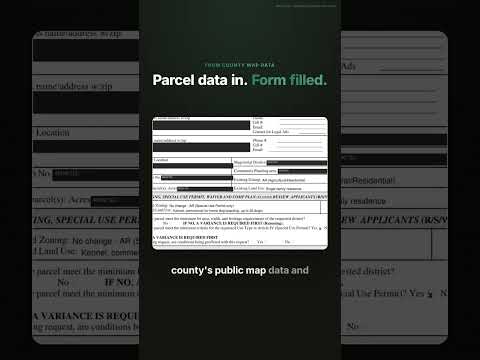
- looked up his property in the county's public map data: the zoning, and the neighbors he would need to list
- filled in two pages of the application, including the three written answers about how the request fits the ordinance, the community plan, and the neighborhood
Those written answers were the part that had stopped him. A blank box that asks how your request serves the public welfare is hard to start, even when you know your business better than anyone.
The part that mattered most
It did not guess. Going by the map data, the house looked like it might sit a few feet inside the required setback. It also noticed a second name on the deed, so a second signature would probably be needed.
So my friend walked outside with a tape measure. The house sat farther from every property line than the setback requires. I told the assistant, and about a minute later the form was updated.
That exchange is the whole method. He supplied the facts only he had. The assistant did the reading, the lookups, and the first draft. When it was unsure, it said so, and a person checked.
Why most AI use does not change the work
Most people use these tools like a search box. They ask a question, read the answer, and go back to doing the work the old way. The tool gets better and the work stays the same.
The difference here was not a better model or a clever prompt. It was a real task, handed over with its context, and a habit of checking what came back before trusting it.
What this does not show
This was one afternoon and one form. Nothing has been filed yet. The application still needs signatures and contact details, a site sketch, the list of adjoining owners, the fee, and a meeting with county planning staff, and the county makes the decision. He chose to prepare the application himself.
Bring a real problem
This is the format of the AI Operator Group. Each week a member brings a real task, the permit or the proposal or the process that eats their Fridays, and we work on it live, together, while the rest of the group watches.
If something has been sitting on your desk for a week, bring it.
Start with one workflow.
Thirty minutes, no deck. Bring a process that costs more than it should and we will tell you honestly whether there is something here worth paying for.